Ever planted tomatoes only to watch them flop over in the first summer storm? Or spent weeks nurturing peppers that end up tangled, shaded, and stunted on the ground? That’s not bad luck—it’s a missing foundation. Enter the gardening aid garden stake what is often dismissed as “just a stick,” but in reality, it’s your silent partner in yield, structure, and plant health.
Why Most Garden Stakes Fail Before July
Most gardeners grab the cheapest bamboo or flimsy metal stakes from big-box stores—then wonder why their vines snap off mid-season. These so-called supports rot, rust, or bend under minimal weight. Worse, they offer zero grip for twine or clips, causing slippage during wind or growth spurts.
And here’s the kicker: improper staking doesn’t just waste time—it invites disease. Fruits sitting on damp soil rot faster. Leaves trapped against stems stay wet longer, inviting fungal outbreaks. A weak stake isn’t neutral—it’s actively sabotaging your harvest.
How to Choose and Use Garden Stakes Like a Pro Grower
Picking the right stake isn’t about height alone. It’s about material compatibility, plant behavior, and climate resilience. Here’s how top home growers do it:
Match Stake Material to Plant Type
Tomatoes need rigidity. Beans need climbability. Delicate herbs? Light support without abrasion. Don’t force one-size-fits-all.
Depth Matters More Than Height
A 6-foot stake driven 4 inches into soil will topple in a breeze. Drive at least one-third of the stake’s length underground. For tall indeterminate tomatoes, that means 2+ feet below grade.
Secure Without Strangling
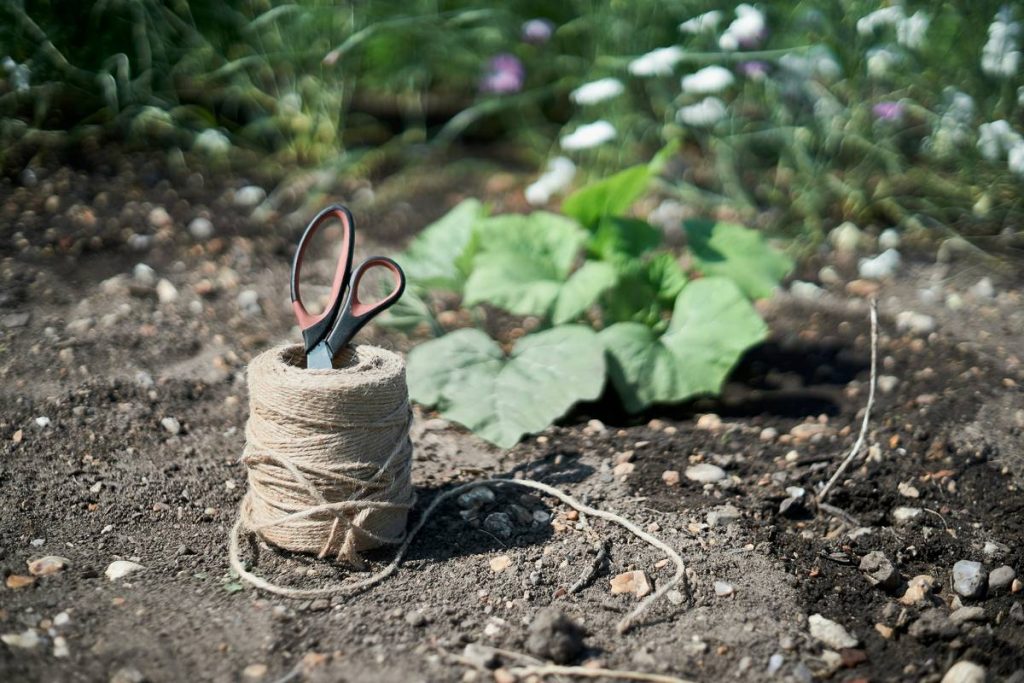
Never tie stems tightly to stakes. Use soft twine, velcro ties, or fabric strips. Allow room for stem expansion—tight knots = girdled plants = dead crops.
| Stake Type | Best For | Lifespan | Cost (per unit) | Hidden Drawback |
|---|---|---|---|---|
| Bamboo | Peas, lettuce, light herbs | 1 season | $0.50–$1.00 | Splits easily; poor knot grip |
| Rebar (½” steel) | Tomatoes, cucumbers, heavy squash | 10+ years | $3.00–$5.00 | Rusty surface can wound stems if uncoated |
| Fiberglass Rods | Flowers, beans, moderate vines | 3–5 years | $2.00–$3.50 | Slippery—hard to secure with standard twine |
| Wooden Dowels (cedar) | Delicate climbers, ornamentals | 2–3 years | $1.50–$2.50 | Can splinter; not ideal for wet climates |

The Industry Secret: Rebar Is the Underrated Workhorse
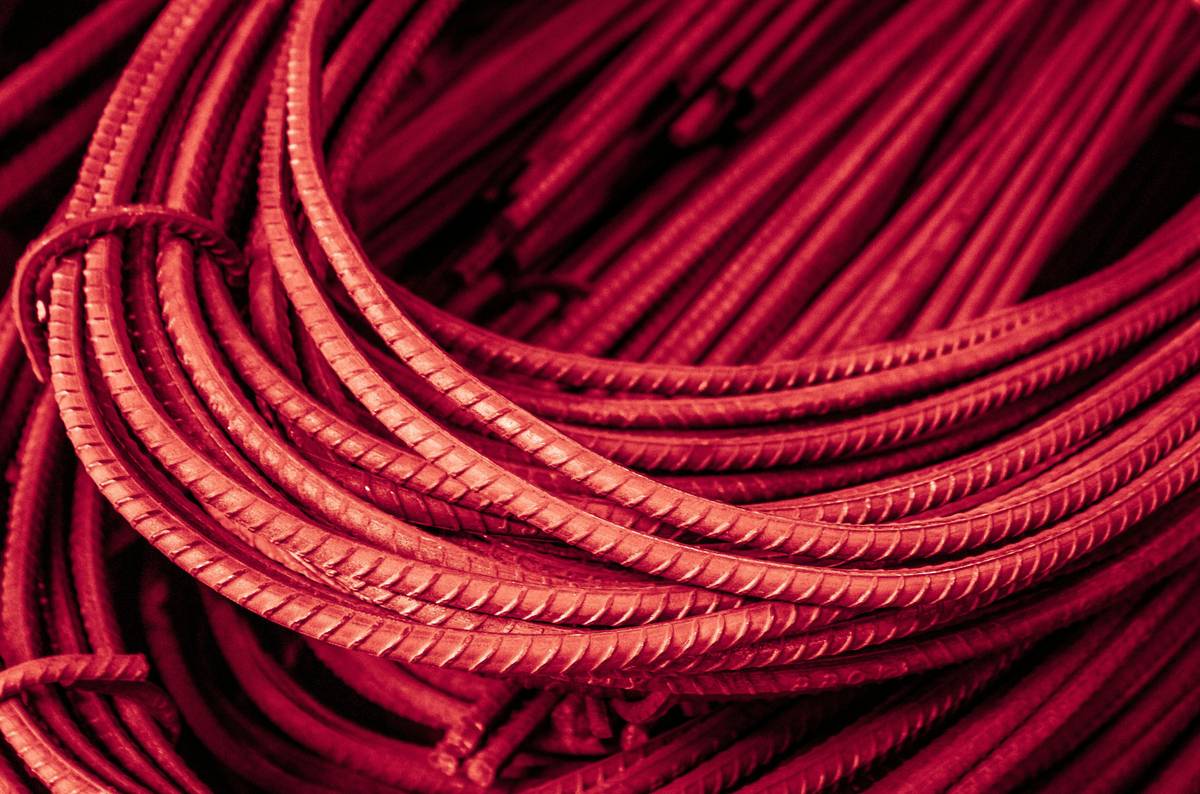
Professional market farmers don’t use fancy plastic trellises—they hammer ½-inch rebar into rows and call it a day. Why? Because rebar costs pennies per foot at hardware stores, lasts decades, and holds 50+ pounds of wet fruit without flexing. Most homeowners avoid it because it “looks industrial.” But paint it matte green or wrap the top in heat-shrink tubing, and it disappears into foliage.
Think about it: your heirloom Brandywine shouldn’t fail because you prioritized aesthetics over physics. The math is simple—strong stake + proper tying = more fruit, fewer diseases, zero replanting.
FAQ
What exactly is a garden stake used for?
A garden stake physically supports stems, keeps fruit off soil, improves air circulation, and prevents breakage from wind or weight.
Can I reuse garden stakes next season?
Yes—if they’re metal or untreated hardwood. Disinfect wooden stakes with vinegar or bleach solution to kill pathogens before storing.
Do all vegetables need staking?
No. Root crops (carrots, radishes) and bush varieties (like determinate tomatoes or patio cucumbers) often don’t require stakes—but vining or tall types almost always do.