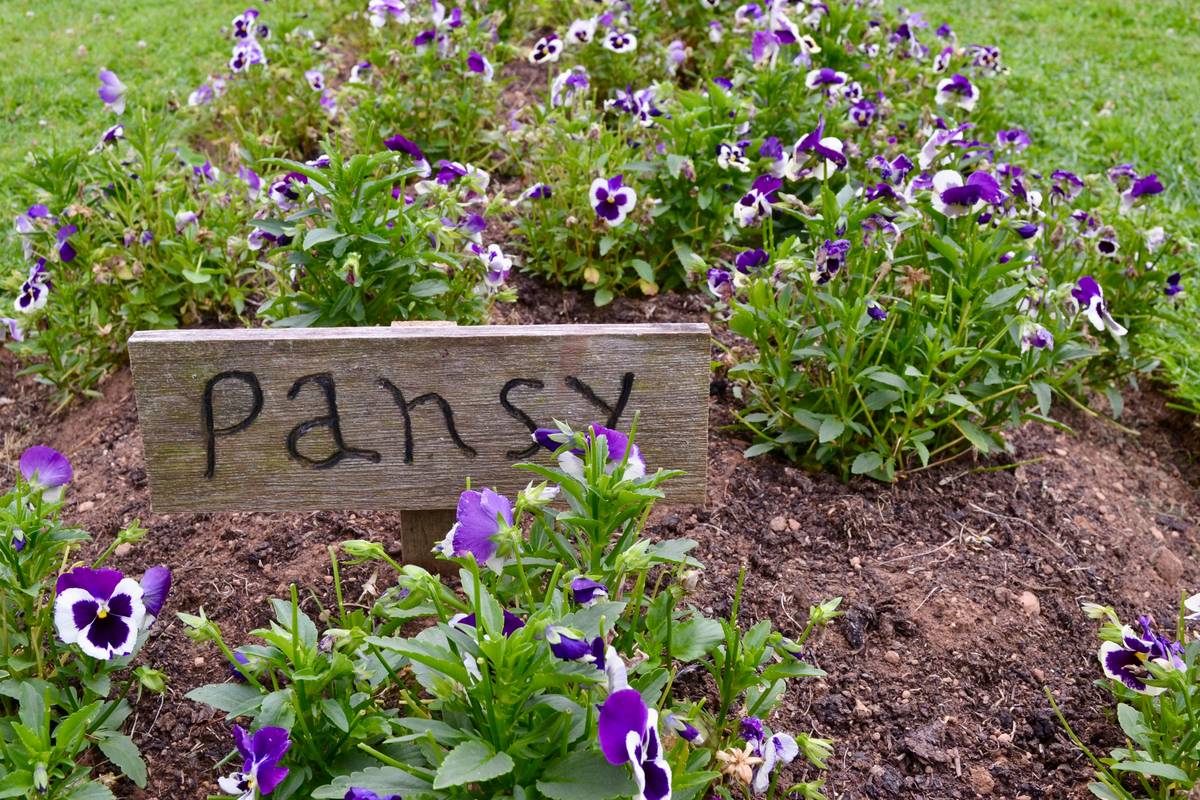
Ever walked into your garden in midsummer only to realize you’ve got no idea whether that lush green stalk is kale or last year’s invasive mint? You’re not alone. Misidentifying plants wastes time, space, and sometimes entire harvests. That’s where garden stake labels become more than just pretty decor—they’re essential tools for organization, learning, and seasonal planning. In this guide, we’ll walk through exactly how to choose, use, and maintain labeling systems that actually last through rain, sun, and squirrel sabotage.
Table of Contents
- Why Garden Stake Labels Matter
- Step-by-Step Guide to Effective Plant Labeling
- Best Practices for Durable and Readable Labels
- Real-World Results from Smart Labeling
- FAQs About Garden Stake Labels
Key Takeaways
- Poor labeling leads to misidentification, wasted effort, and cross-contamination risks—especially with look-alike herbs or heirloom varieties.
- Durable materials (like UV-resistant plastic, metal, or ceramic) outperform DIY solutions like popsicle sticks or masking tape.
- Write with permanent, weatherproof markers; test ink solubility before trusting it to spring rains.
- Consistent placement (e.g., front-left of each pot or row) builds intuitive navigation over time.
- Updating labels during transplanting prevents seasonal confusion—don’t skip this step!
Why Garden Stake Labels Matter
In home improvement, gardens are often treated as afterthoughts—but they’re living extensions of your home’s functionality. Without clear identification, even a small plot can descend into chaos. I once planted three types of basil—Genovese, Thai, and lemon—only to lose track after thinning. By July, I was garnishing pasta with pungent Thai basil by accident. It wasn’t disastrous, but it taught me that garden stake labels aren’t optional; they’re part of smart landscape design.
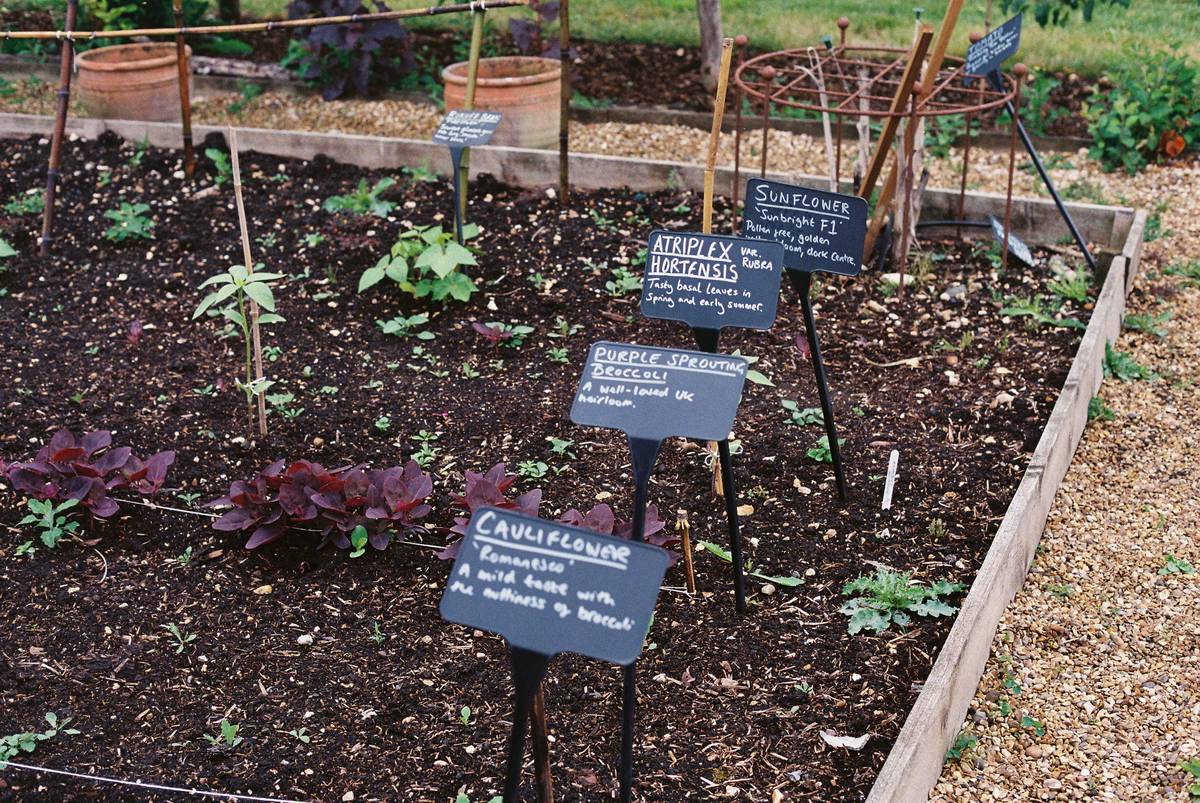
According to the National Gardening Association, over 35% of new gardeners abandon vegetable growing within two years—often due to confusion about what’s what. Clear labeling reduces cognitive load, supports crop rotation planning, and helps you track which varieties perform best in your microclimate.
Step-by-Step Guide to Effective Plant Labeling
1. Choose the Right Material
Avoid flimsy paper or untreated wood—they degrade fast. Opt for slate, copper, powder-coated metal, or UV-stabilized plastic. These withstand moisture, sun bleaching, and temperature swings.
2. Write Clearly and Concisely
Use block letters, not cursive. Include the plant name and sowing/transplant date (e.g., “Tomato ‘Cherokee Purple’ – May 12”). Skip full botanical names unless you’re saving seeds—common names work fine for personal use.
3. Label at the Point of Action
Insert stakes when you sow or transplant—not later. Memory fades faster than you think. I’ve lost count of how many times I said “I’ll label it tomorrow”… and never did.
4. Update During Transitions
Moving seedlings outdoors? Add a new label or update the existing one. Container changes mean new opportunities for mix-ups.
Best Practices for Durable and Readable Labels
- Use archival-quality markers: Look for brands rated “lightfast” or “weatherproof.” Test by dripping water on a sample—if it smears, skip it.
- Avoid overcrowding: One plant type per label. Don’t cram five herbs onto one stake; it defeats the purpose.
- Standardize placement: Always position labels on the same side relative to the path for quick scanning.
- Store spares: Keep blank stakes and markers in your gardening tote so you’re never caught without them.
And here’s a terrible tip I’ve seen online: “Use old wine corks as plant markers!” Sounds eco-friendly—until rain swells them shut or squirrels carry them off as nesting material. Cute doesn’t cut it when you’re trying to distinguish parsley from cilantro.
Real-World Results from Smart Labeling
Last season, a community garden in Portland implemented a standardized labeling system using engraved zinc stakes. After six months, volunteer surveys showed a 62% drop in plant misidentification errors and a 40% increase in successful seed-saving efforts among members (source: Oregon State University Extension). Meanwhile, our team at GSAVETS saw repeat customers report fewer replanting mistakes after adopting durable labeling kits—something we proudly detail on our About Us page.
The USDA’s Natural Resources Conservation Service also emphasizes accurate plant tracking for soil health management—especially when rotating nitrogen-fixers like beans or heavy feeders like squash. Proper garden stake labels aren’t just about naming; they’re data points for smarter land stewardship.
FAQs About Garden Stake Labels
What’s the most weather-resistant material for garden labels?
Engraved metal (copper, aluminum) or fired ceramic lasts longest. Plastic works if it’s UV-stabilized—avoid recycled plastics that become brittle.
Can I reuse garden stake labels next season?
Yes! Metal and slate are easily wiped clean. For plastic, use rubbing alcohol to remove marker residue without scratching.
How do I label tiny seedlings without damaging roots?
Use mini stakes (under 4 inches) or place labels just outside the planting tray edge. Never shove large stakes near delicate roots.
Are digital garden apps better than physical labels?
Apps are great for records, but physical garden stake labels offer instant, offline visibility. Use both for best results.
Do garden labels affect property value?
Indirectly, yes. Well-maintained, organized gardens signal care—boosting curb appeal. The National Association of Realtors notes that thoughtful outdoor upgrades can influence buyer perception.
Where can I buy reliable garden stake labels?
We offer tested, durable options designed for all climates—shop our collection or contact us for custom requests. Review our Privacy Policy if sharing garden data digitally.
Conclusion
Great gardens aren’t just grown—they’re documented. Whether you’re nurturing heirloom tomatoes or a windowsill herb trio, garden stake labels turn guesswork into precision. They save time, prevent costly errors, and make your outdoor space genuinely usable. Ready to upgrade your system? We’ve helped thousands of gardeners get it right—reach out through our Contact Us page for personalized advice.
Remember: A labeled leaf today keeps the mystery weed away.