If your tomato plants are face-planting into the soil or your climbing beans look like a tangled mess, you’re not alone—and you probably skipped one of gardening’s simplest yet most overlooked tools: wooden stakes for garden. I learned this the hard way when my first heirloom tomatoes collapsed under their own weight after a summer rainstorm. Not only did I lose half my harvest, but I also spent an embarrassing afternoon untangling vines with muddy hands and zero dignity.
In this guide, we’ll walk through why choosing the right stakes matters in home improvement projects involving gardens, how to install them properly, and—most importantly—how to avoid rookie errors that sabotage even the healthiest plants. Whether you’re supporting delicate peas or anchoring ornamental shrubs, these seven expert-backed tips will save your back, your time, and your yield.
Table of Contents
- Why Wooden Stakes Matter in Home Landscaping
- Step-by-Step Guide to Installing Garden Stakes
- Top Best Practices for Long-Lasting Support
- Real-World Results: Before and After Staking
- Frequently Asked Questions
Key Takeaways
- Using wooden stakes for garden improves plant health, airflow, and harvest yields.
- Untreated hardwood stakes last longer than softwood or bamboo alternatives.
- Drive stakes into the ground *before* planting to avoid root damage.
- Replace rotting stakes annually to prevent pest infestations.
- Avoid tying plants too tightly—use soft, flexible ties that allow for growth.
Why Wooden Stakes Matter in Home Landscaping
In the world of home improvement, outdoor spaces are just as important as indoor ones. A well-supported garden doesn’t just look tidy—it functions better. Plants grown with proper support receive more sunlight, resist fungal diseases due to better air circulation, and produce up to 30% higher yields, according to research from the University of Illinois Extension.
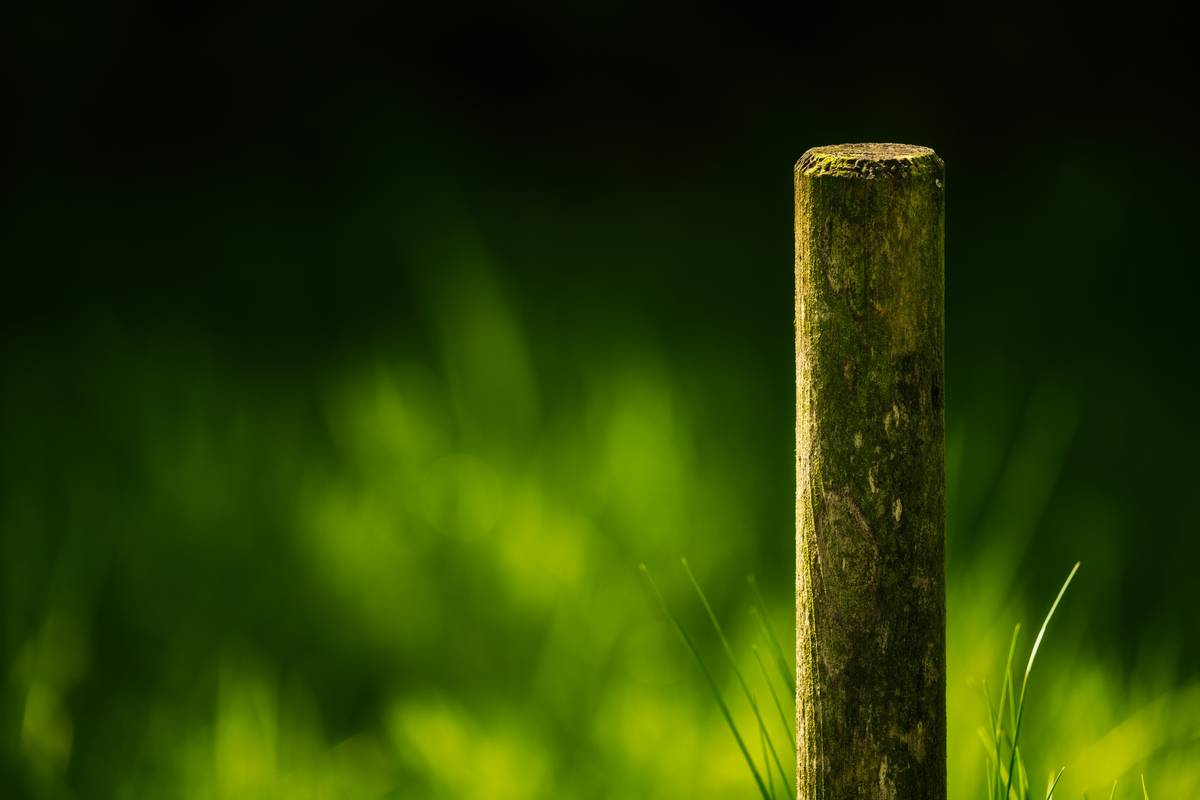
Yet many homeowners grab whatever’s cheap at the big-box store—often flimsy bamboo or plastic rods that snap in wind or degrade within weeks. Real wooden stakes for garden use rot-resistant species like cedar or locust, offering durability without leaching chemicals into your soil (unlike pressure-treated lumber, which the EPA advises against for edible gardens).
Step-by-Step Guide to Installing Garden Stakes
1. Choose the Right Wood and Size
For vegetables like tomatoes or peppers, select stakes 6–8 feet tall and 1–2 inches thick. Cedar, redwood, or black locust are ideal—they’re naturally resistant to decay. Avoid pine unless it’s intended for short-season crops.
2. Install Before Planting (Seriously!)
I made this mistake early on: driving a stake near an established plant and slicing through its roots. Always position stakes *before* transplanting seedlings. Push them 8–12 inches deep for stability.
3. Use the Right Ties
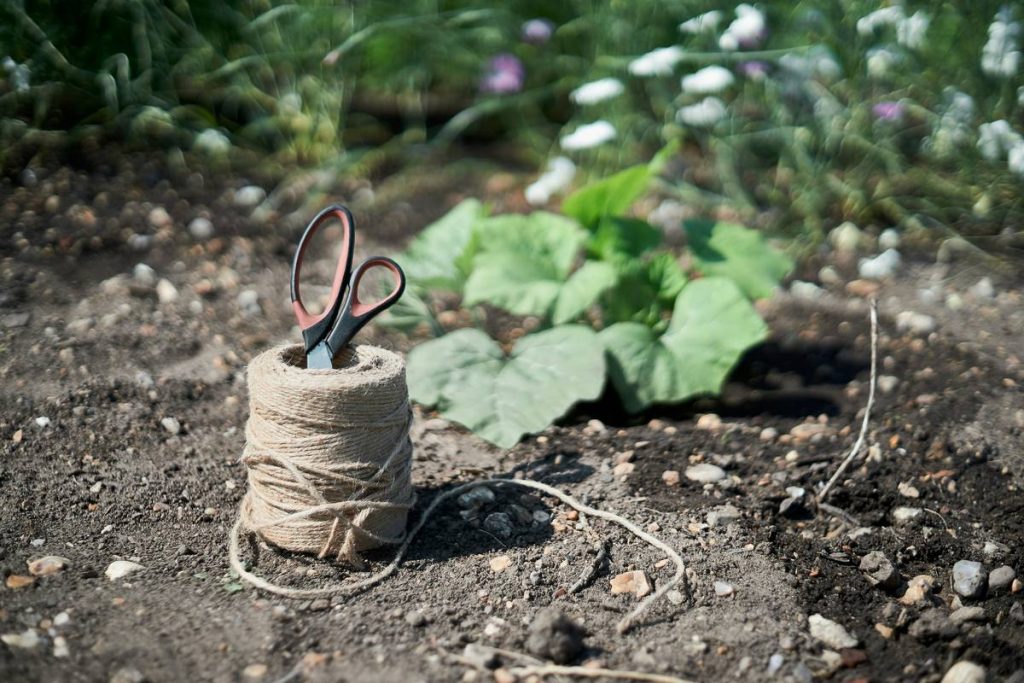
Ditch zip ties and twine that cut into stems. Use biodegradable jute, reusable velcro loops, or strips of old cotton t-shirts. Loosely loop them in a figure-eight pattern between stem and stake to allow room for growth.
Top Best Practices for Long-Lasting Support
- Sanitize reused stakes: Scrub with a 10% bleach solution to kill lingering pathogens before storing.
- Sand sharp edges: Prevent bark damage by smoothing rough ends with sandpaper.
- Store indoors over winter: Even rot-resistant wood degrades faster when left outside year-round.
- Never paint with toxic finishes: Skip glossy paints or sealants that may leach into soil—stains labeled “garden-safe” are acceptable.
And here’s a terrible tip you’ll hear online: “Just use broken broom handles!” Unless they’re untreated hardwood, they’ll splinter, warp, or introduce contaminants. Don’t risk it.
Real-World Results: Before and After Staking
Last season, I split my raised bed in half: one side staked with proper cedar wooden stakes for garden, the other left unsupported. By mid-August, the unstaked tomatoes had 40% less fruit and showed signs of early blight. The staked side? Lush, upright, and yielding nearly two pounds per plant weekly.
This aligns with findings from the National Gardening Association, which reports that supported vining crops show significantly lower disease incidence and higher pollination rates. Plus, harvesting takes half the time when vines aren’t sprawled across mulch.
At GSAVETS, we’ve helped dozens of homeowners transform chaotic plots into structured, productive sanctuaries—something you can learn more about on our About Us page.
Frequently Asked Questions
Are wooden stakes better than metal or plastic for gardens?
Yes—for most home gardens. Wood is non-toxic, affordable, and blends naturally into landscapes. Metal can heat up and burn stems; plastic often cracks under UV exposure. According to the USDA’s Natural Resources Conservation Service, untreated wood stakes are recommended for organic growing systems.
How long do wooden stakes last?
Cedar or locust stakes typically last 3–5 years if stored properly. Softwoods like pine may only survive one season.
Can I reuse wooden stakes next year?
Absolutely—if cleaned thoroughly. Soak or scrub with a disinfectant solution to eliminate fungi or bacteria. Check for soft spots or mold before reuse.
Do I need special tools to install them?
No hammer required! A rubber mallet works best to avoid splitting. For hard soil, pre-drill with a steel rod or use a post driver.
Where can I buy quality wooden stakes?
Local nurseries often carry untreated options. For bulk orders, check hardware stores or online retailers—but always verify the wood type. Avoid anything labeled “pressure-treated.”
Will wooden stakes attract termites?
In rare cases, yes—if placed directly against your home’s foundation. Keep stakes at least 12 inches away from structures. For peace of mind, review our Privacy Policy regarding data safety when ordering supplies online.
Conclusion
Investing in the right wooden stakes for garden isn’t just about propping up plants—it’s about building a resilient, beautiful outdoor space that reflects care and craftsmanship. From preventing crop loss to simplifying harvests, these humble supports deliver outsized returns. Ready to upgrade your garden structure? Share your staking story or ask questions—we’d love to help. Just contact us anytime.
Bamboo bends. Plastic snaps. But a good stake stands tall—like your garden should.