You bought flimsy plant supports from a big-box store—again. They snapped in a breeze, rusted by July, or vanished under a tangle of morning glories by midsummer. Now your tomatoes are sprawled in the dirt and your peas look defeated. The real solution isn’t just buying more garden stakes home depot sells—it’s knowing what actually lasts.
Most Garden Stakes Fail Because They Ignore Physics
Big retailers push generic metal or bamboo stakes because they’re cheap to stock—not because they work long-term. Wind load, soil density, and plant weight aren’t considered. A 4-foot tomato plant exerts lateral force equivalent to a small dog tugging sideways. Flimsy 3/8-inch rods bend. Bamboo rots at ground level within one season.
And most homeowners don’t realize: stability isn’t about height. It’s about depth-to-diameter ratio. A stake driven only 6 inches deep will tip when vines climb past 24″. Period.
How to Choose & Install Garden Stakes That Survive Season After Season
Know Your Stake Types (and Their Breaking Points)
Not all supports are equal. Some handle vertical load; others resist torsion. Match the material to your crop—and your climate.
The Right Depth Changes Everything
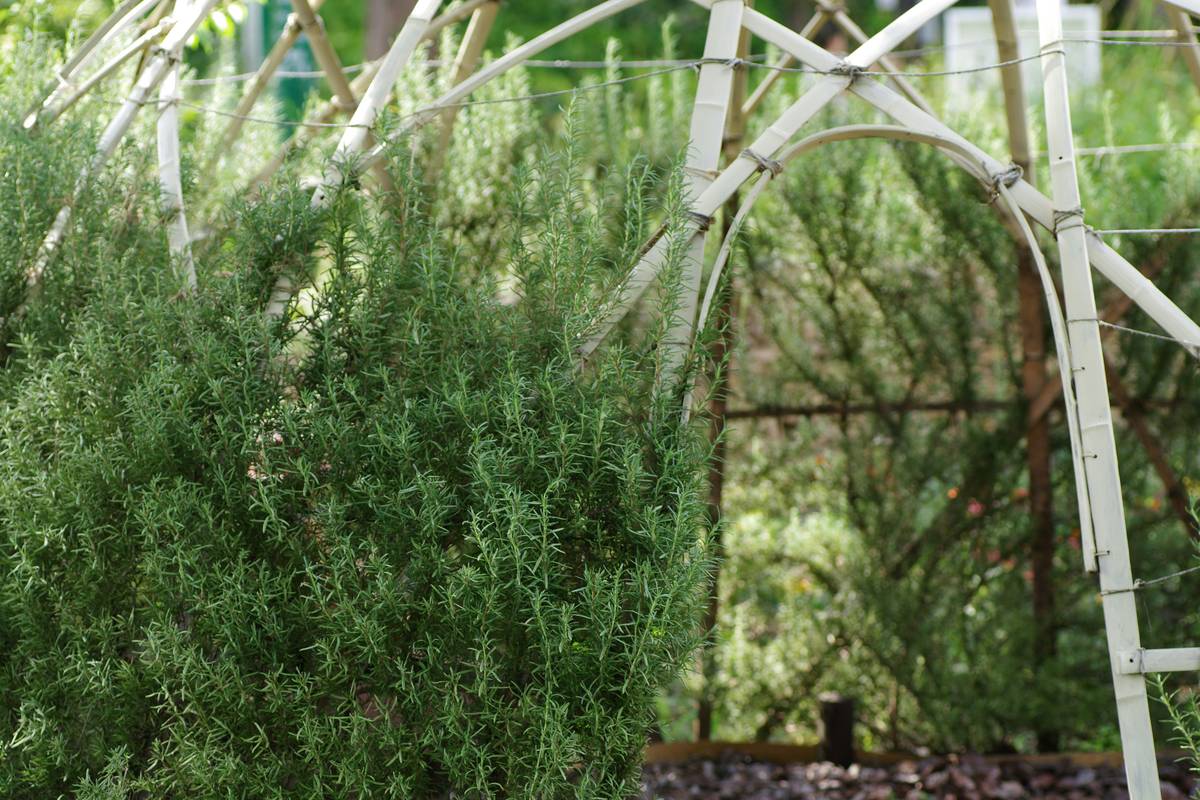
Drive stakes at least one-third their above-ground height into firm soil. For a 5-foot support, that’s 25+ inches below surface. Use a rubber mallet—not a hammer—to avoid splitting wood or bending thin metal.
Diy Reinforcement Trick Most Pros Swear By
Slide a short section of PVC pipe over the base before inserting it into the ground. It acts as a sleeve, preventing soil abrasion and dramatically extending life—especially in sandy or rocky beds.
| Stake Type | Avg. Cost per Unit | Lifespan (Seasons) | Best For |
|---|---|---|---|
| Galvanized Steel Rebar (½”) | $2.50 | 8+ | Tomatoes, cucumbers, heavy climbers |
| Bamboo (6 ft) | $1.20 | 1–2 | Peas, beans, light ornamentals |
| Fiberglass Rods | $3.75 | 5+ | Windy zones, coastal gardens |
| Plastic-Coated Wire Cages | $4.99 | 3–4 | Bush beans, dwarf varieties |
The Industry Secret: Big Box Stores Hide Their Best Stakes
Here’s what no signage tells you: Home Depot often stocks commercial-grade rebar or powder-coated steel stakes in the concrete/masonry aisle—not gardening. They’re labeled as “landscape pins” or “ground anchors,” but they outperform $8 “premium” plant stakes tenfold. Grab ½-inch rebar (cut to 6 ft), file the top edge smooth, and you’ve got a $2.50 stake that laughs at August storms.
Think about it: why would a retailer promote a $2 item that lasts 8 years when they can sell you a new $6 stake every spring? The math is simple—they profit from replacement, not reliability.
Frequently Asked Questions
Does Home Depot carry metal garden stakes?
Yes—but check the hardware and fencing sections too. Their galvanized rebar and U-stakes in the landscape department often serve better than labeled “garden stakes.”
How tall should garden stakes be for tomatoes?
Aim for stakes 5–6 feet tall. Install them so at least 24 inches are underground. This prevents toppling as indeterminate varieties grow 6+ feet high.
Can I reuse garden stakes next year?
Steel and fiberglass—absolutely. Bamboo and untreated wood? Only if fully dried and stored indoors. Mold and ground rot destroy organic stakes fast.